Technical route
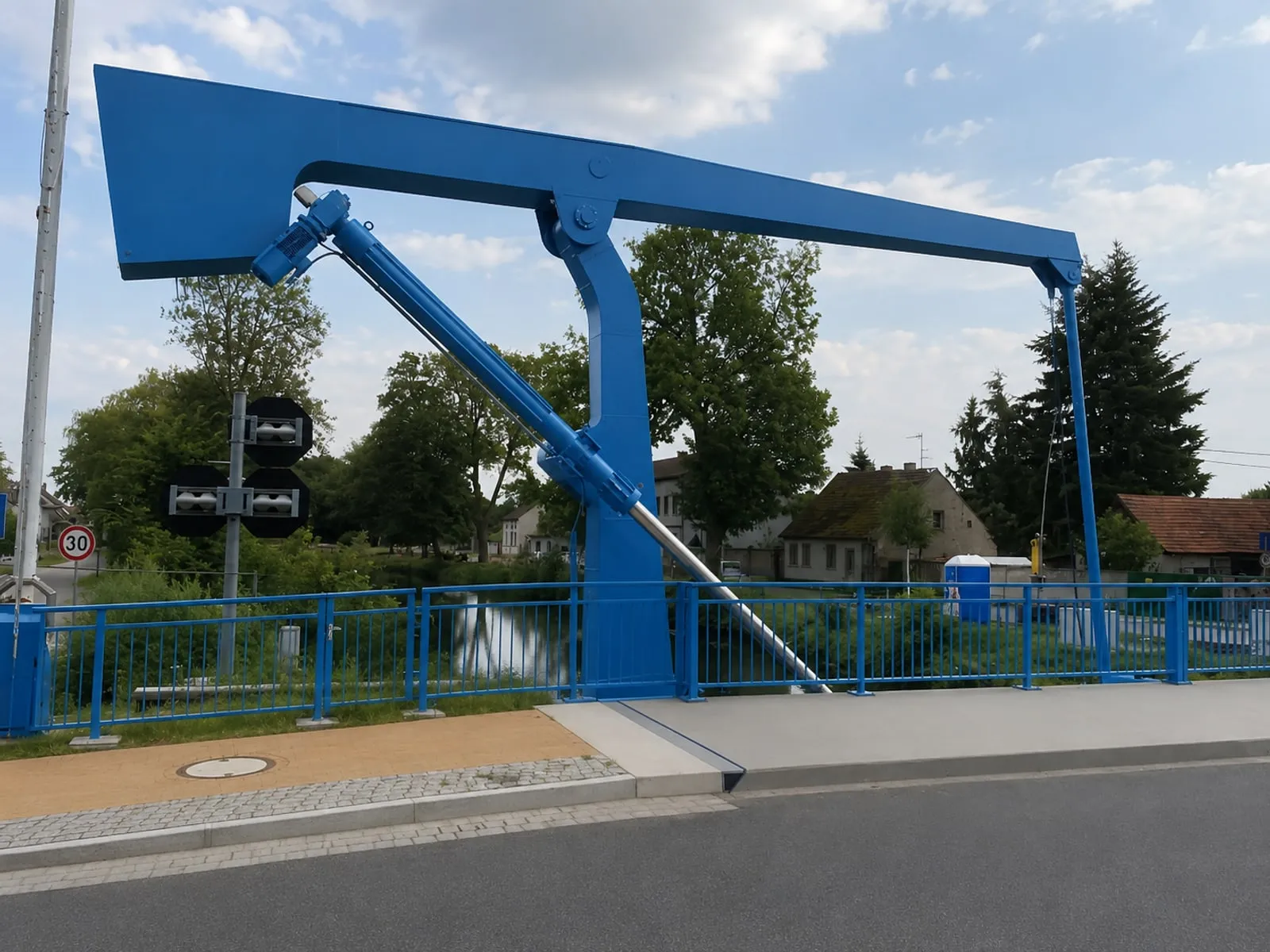
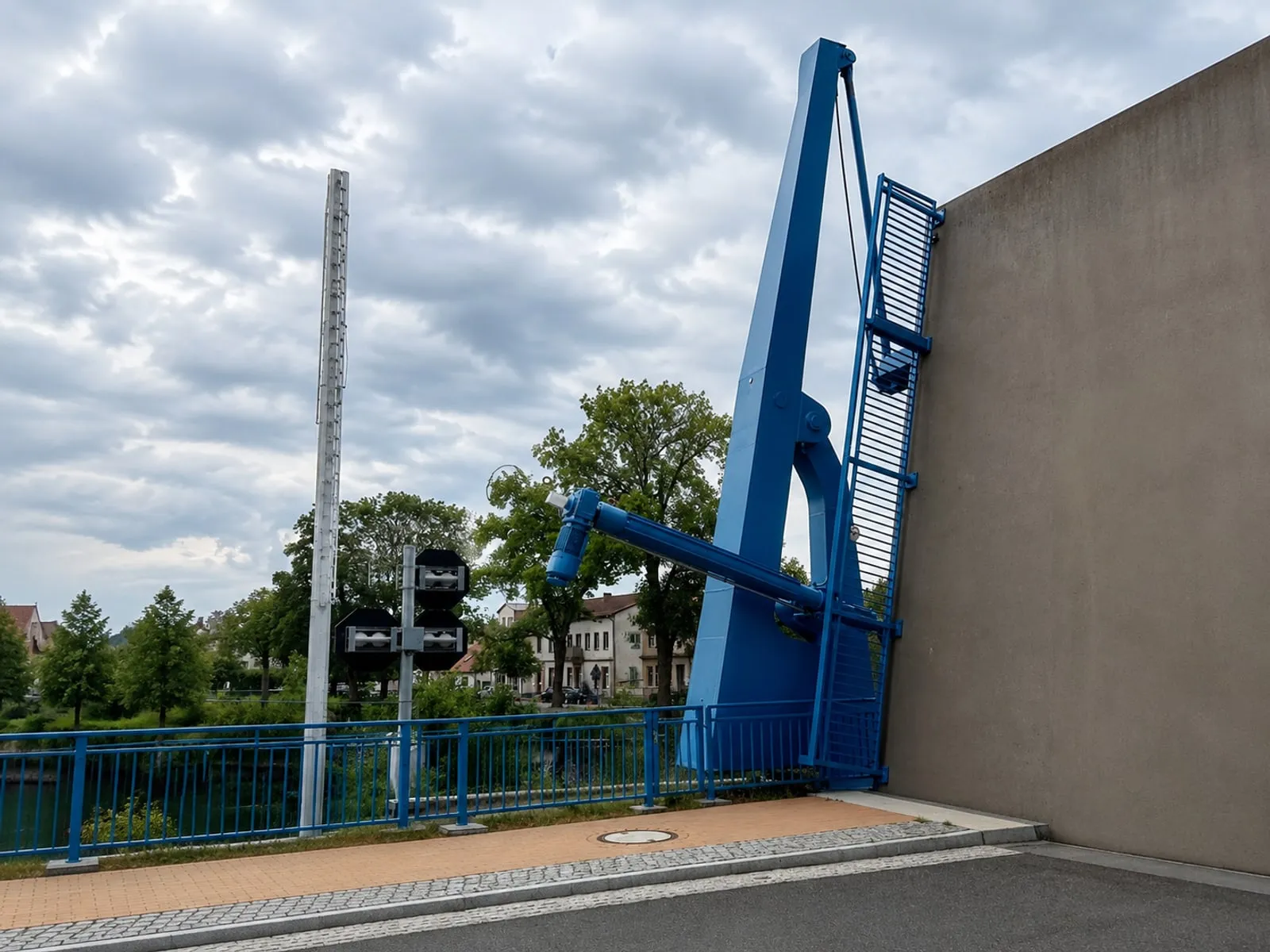
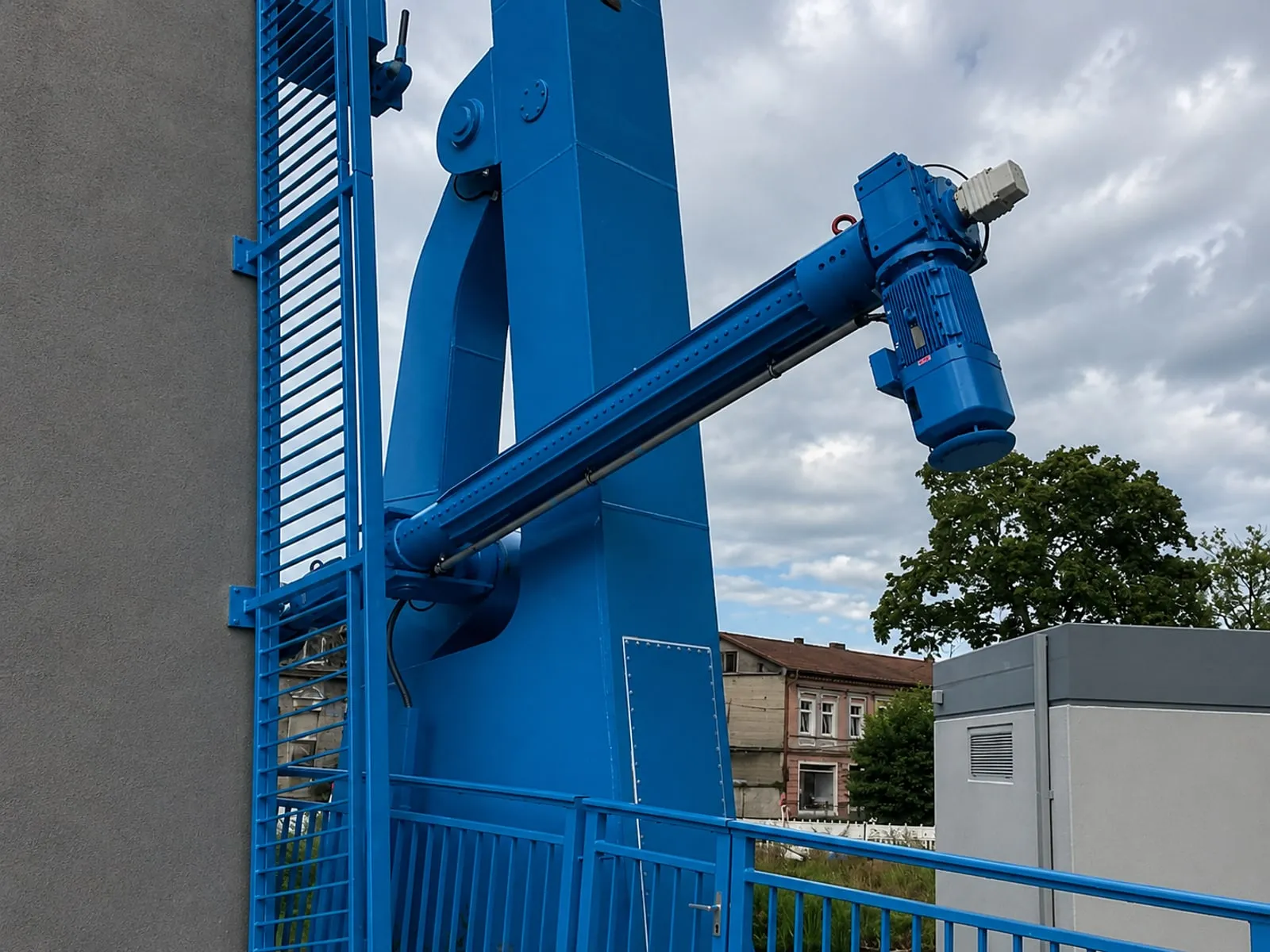
S+R supplied four electric actuators rated at around 350 kN each, with robust mounting, weather protection and sensors for safe end-position monitoring of the bridge movement.
 Linear Technology
 Real-world infrastructure project
Two movable bridges are opened and closed by four electric actuators of around 350 kN each - weatherproof, controlled and serviceable over the long term.
Initial situation
Movable bridges combine high individual forces, continuous outdoor use and safety requirements. The drives have to guide reliably, detect end positions safely and remain serviceable over long periods - in any weather.
S+R supplied four electric actuators rated at around 350 kN each, with robust mounting, weather protection and sensors for safe end-position monitoring of the bridge movement.
The bridges can be moved in a controlled way; the drives are designed for outdoor duty, safe end-position monitoring and long-term serviceability.
Project images
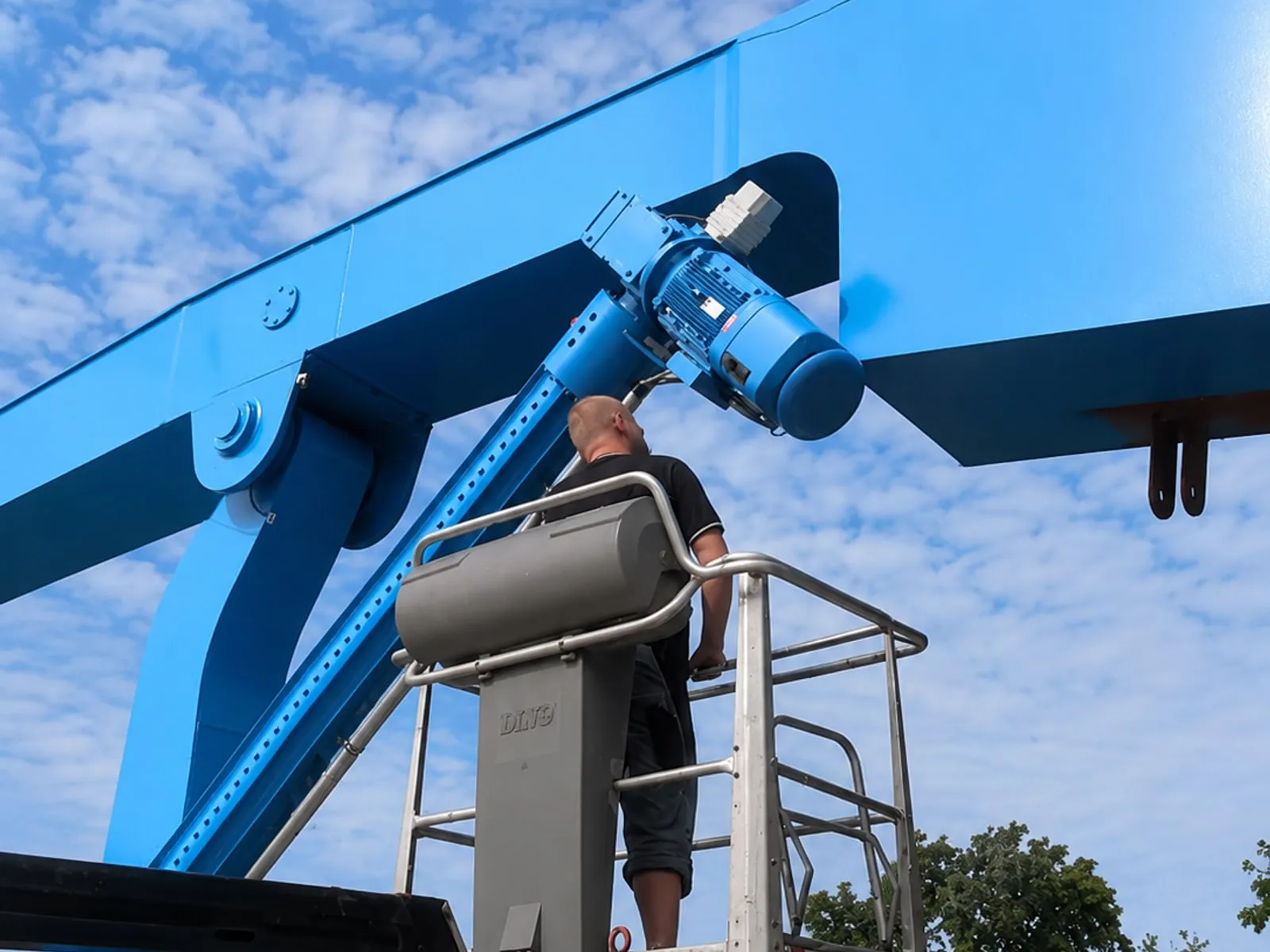
Building blocks in the project
The product ranges remain technical starting points. What matters is how spindle, motor, protection class, sensors, mounting and service access work together in the actual project.
Next step
Helpful inputs include force, stroke, speed, installation space, environment, voltage, control, quantity and existing drawings or photos of the interface.