Technical route
S+R could assess the actuator as its own documented assembly, inspect wear and interfaces, and derive the next service or adaptation steps from the original engineering basis.
 Linear Technology
 Real-world infrastructure project
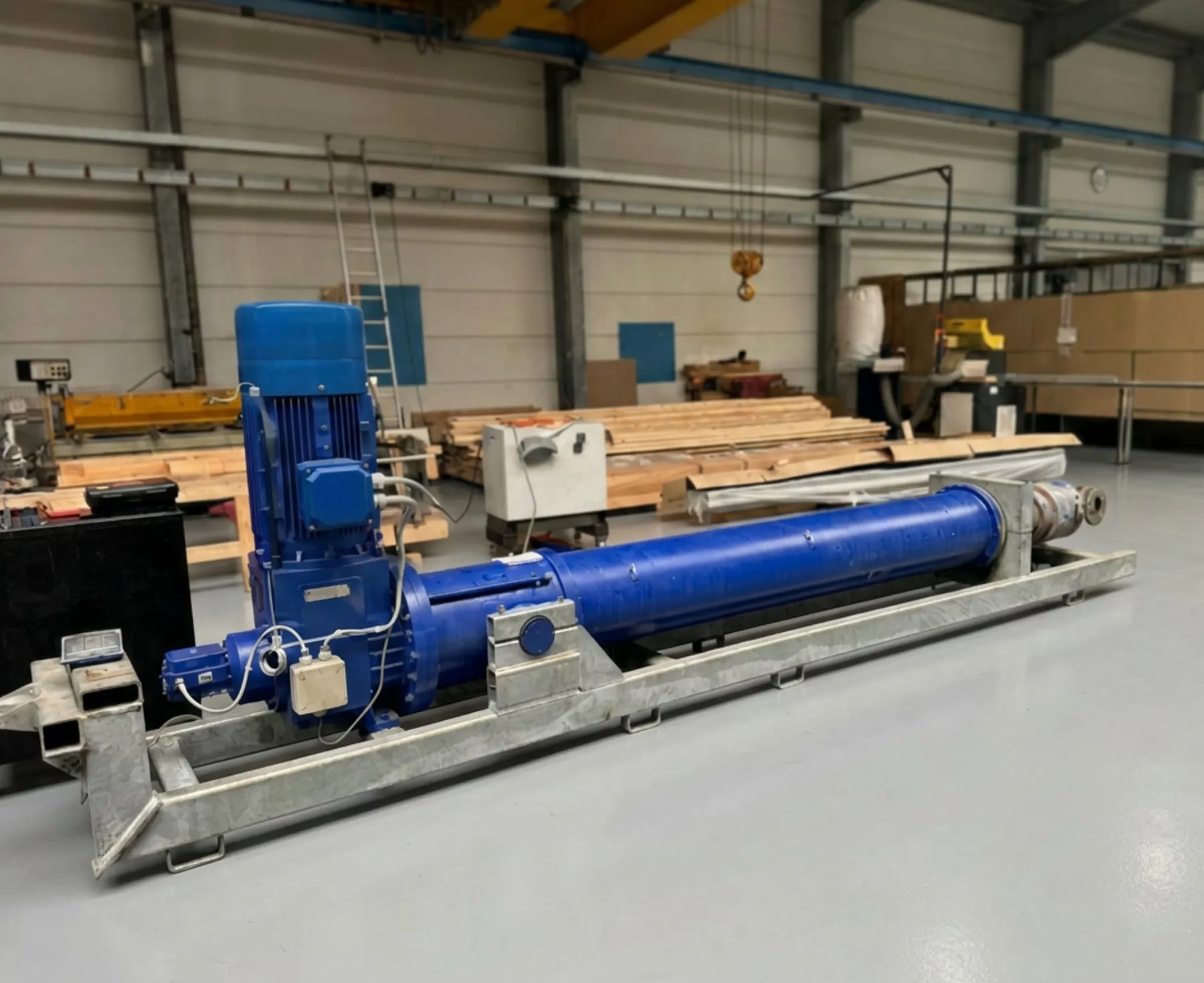
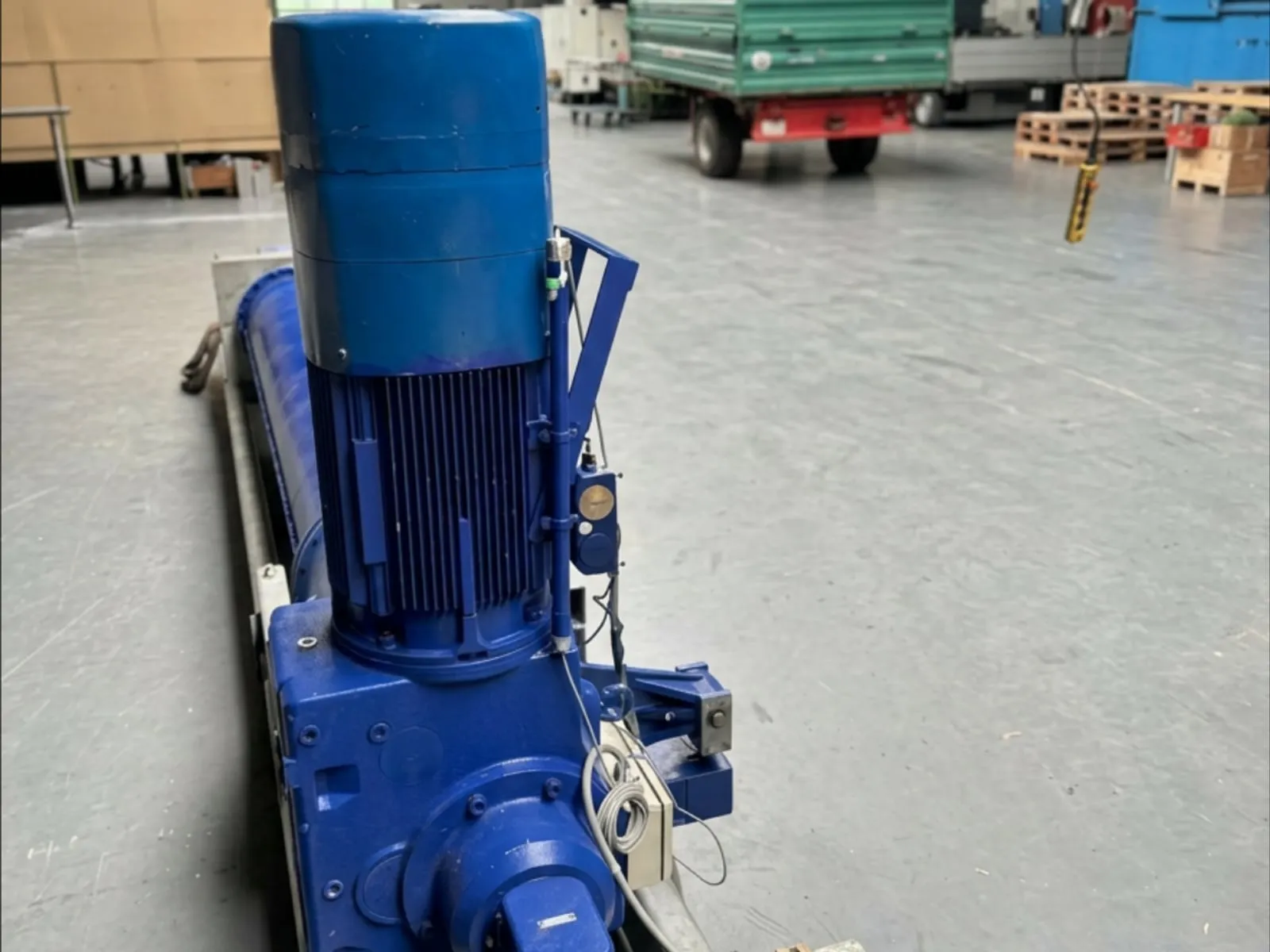
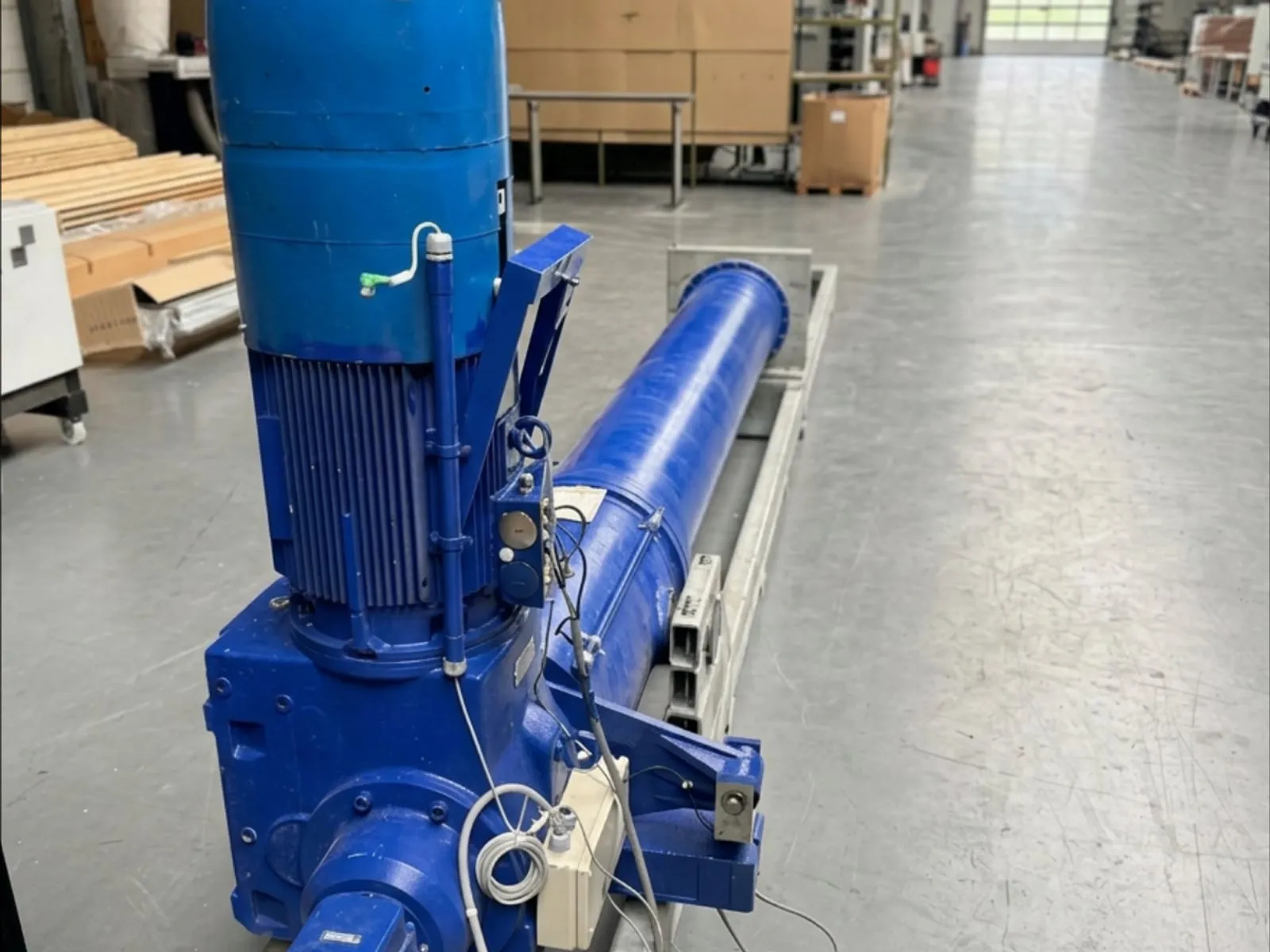
A heavy electric actuator from a lock project returned to the S+R workshop after roughly 20 years in operation for service and service-life assessment.
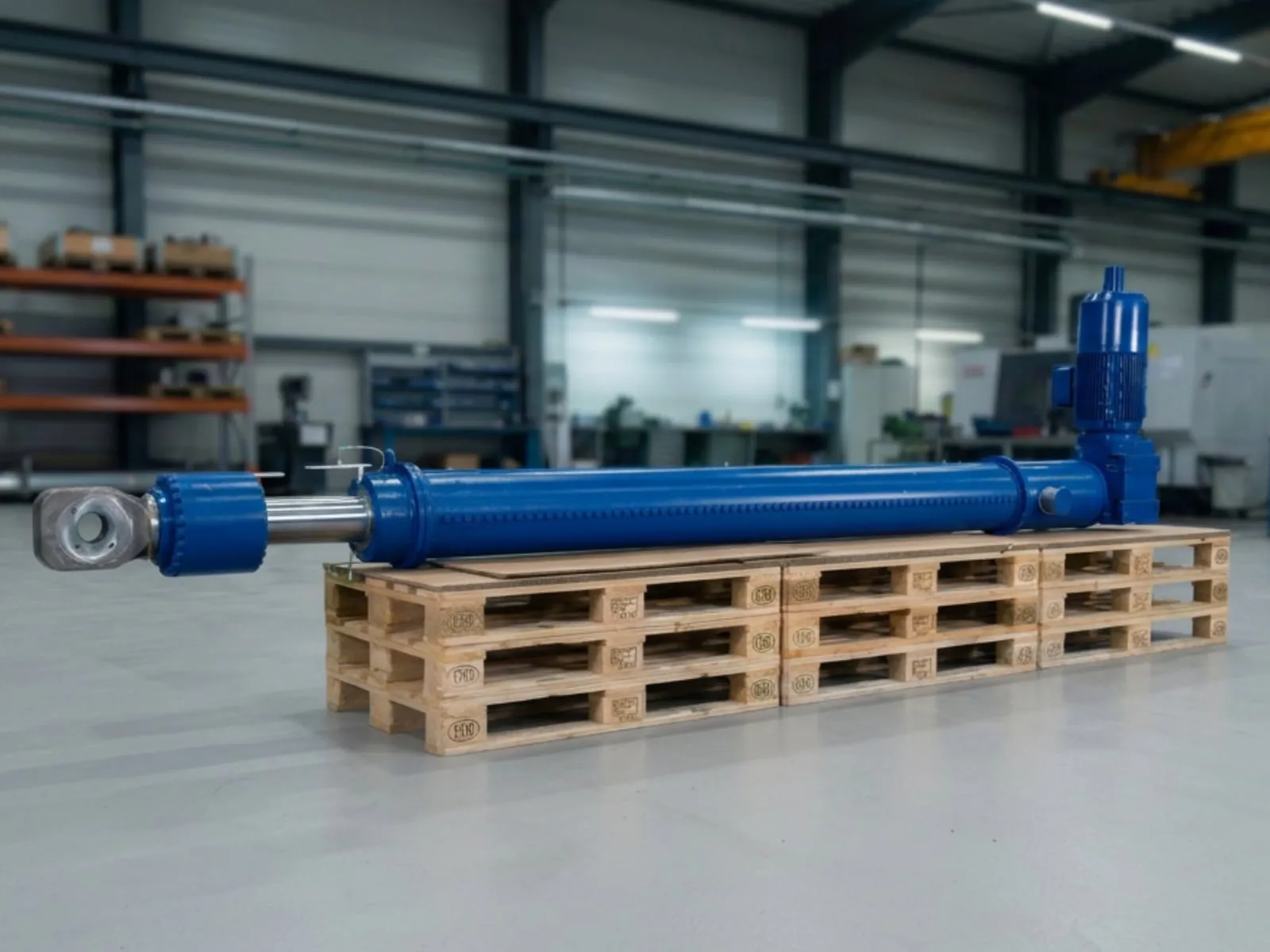
Initial situation
For infrastructure actuators, responsibility does not end with delivery. After many years in operation, know-how, drawings, calculations, spare-part assignment and inspection capability still have to exist so service or service-life extension can be assessed reliably.
S+R could assess the actuator as its own documented assembly, inspect wear and interfaces, and derive the next service or adaptation steps from the original engineering basis.
The return shows the value of retained product knowledge: even after two decades, the assembly remains repairable, serviceable, adaptable and technically traceable for extended use.
Project route
For infrastructure and custom projects, the technical decision is only robust when calculation, interface, testing and service can still be understood later.
Force, stroke, environment, mounting and safety reserves were documented so the actuator remains technically traceable even after many years.
Drawings, calculations, interfaces and test records keep the know-how in-house and prevent the assembly from becoming an unknown spare part.
After roughly 20 years in operation, S+R could inspect, assess and classify the actuator using its own documentation and manufacturing experience.
Repair, replacement of wear parts, adaptations and service-life extension remain possible because development, manufacturing and service are connected.
Project images
Building blocks in the project
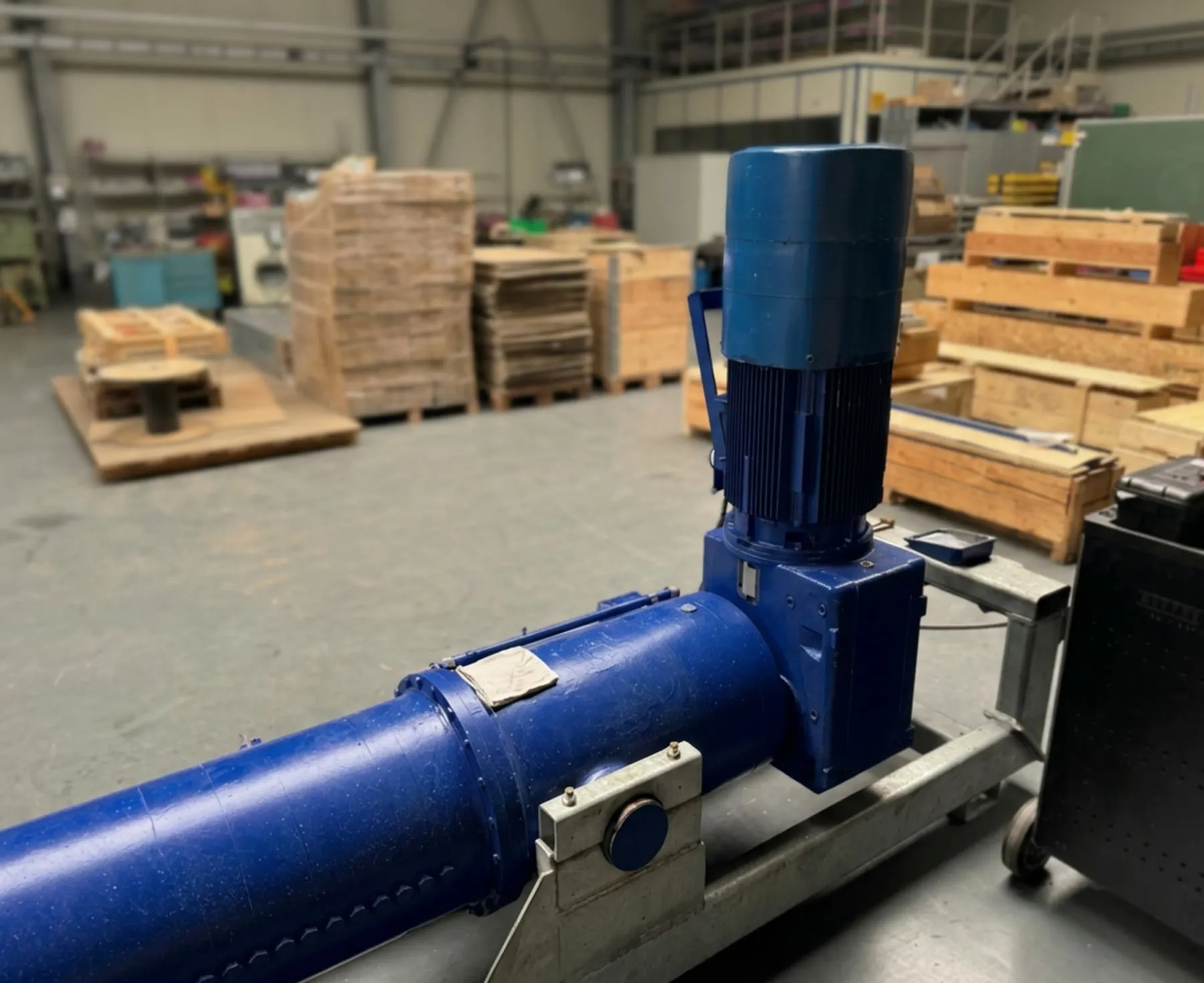
The product ranges remain technical starting points. What matters is how spindle, motor, protection class, sensors, mounting and service access work together in the actual project.
Next step
Helpful inputs include force, stroke, speed, installation space, environment, voltage, control, quantity and existing drawings or photos of the interface.