Custom electric linear actuators

Custom electric linear actuators:
A, S and X series as a technology toolbox

S+R designs every electric linear actuator from the load case: force line, installation space, protection class and control determine the solution – not a catalogue grid. The A, S and X series are the technology toolbox from which custom actuators for new development, retrofit and series production are built.

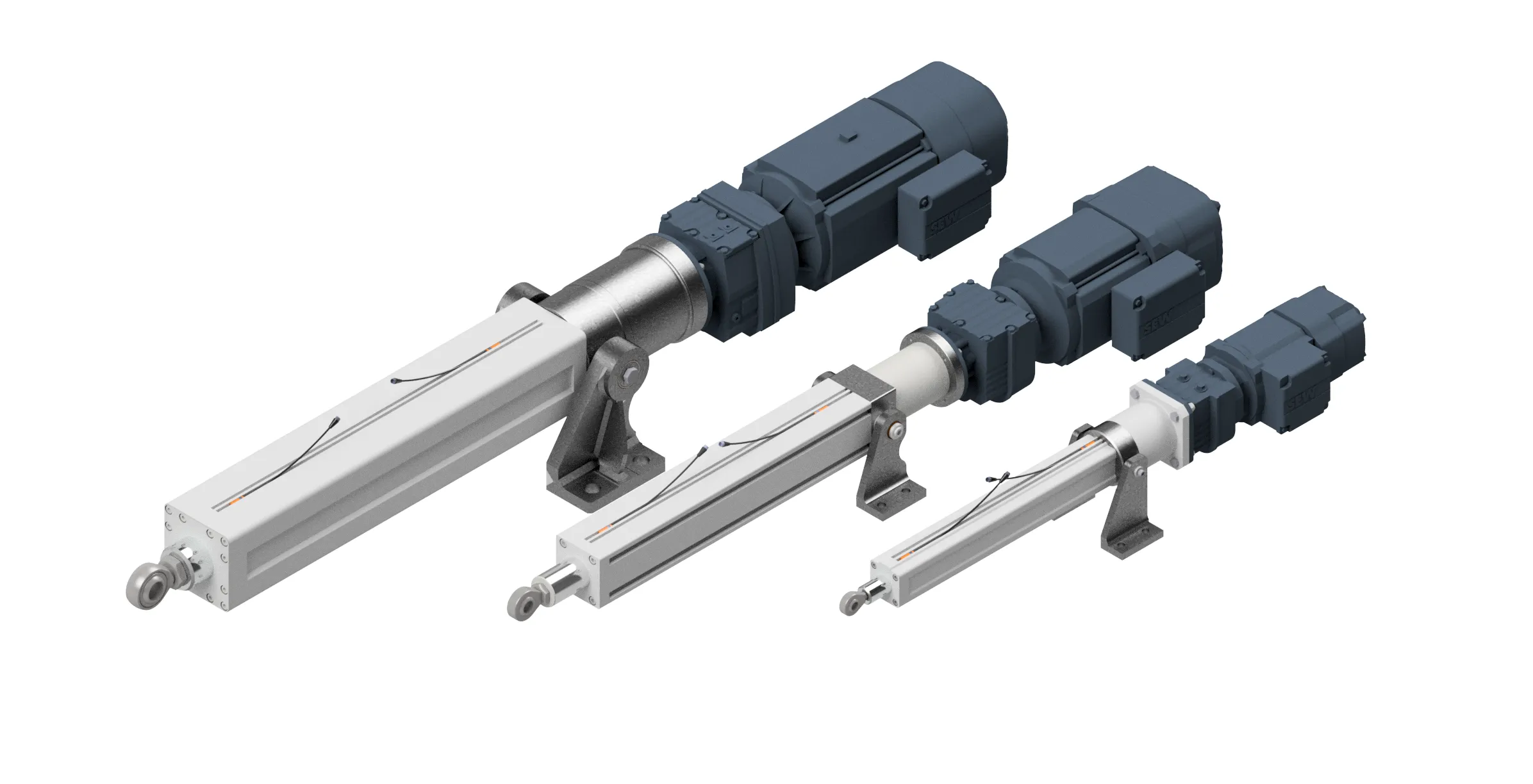
S+R electric linear actuators A, S and X series
A, S and X series – electric linear actuators
500 kNforce by design
3,000 mmstroke possible
1,000 mm/sspeed
IP65+harsh environment

Product ranges

Three design principles, one technical sizing process.

Each family can be adapted with motor, spindle, sensors, protection class, mounting and control to fit the load case. The selection starts the project clarification; it does not end it.

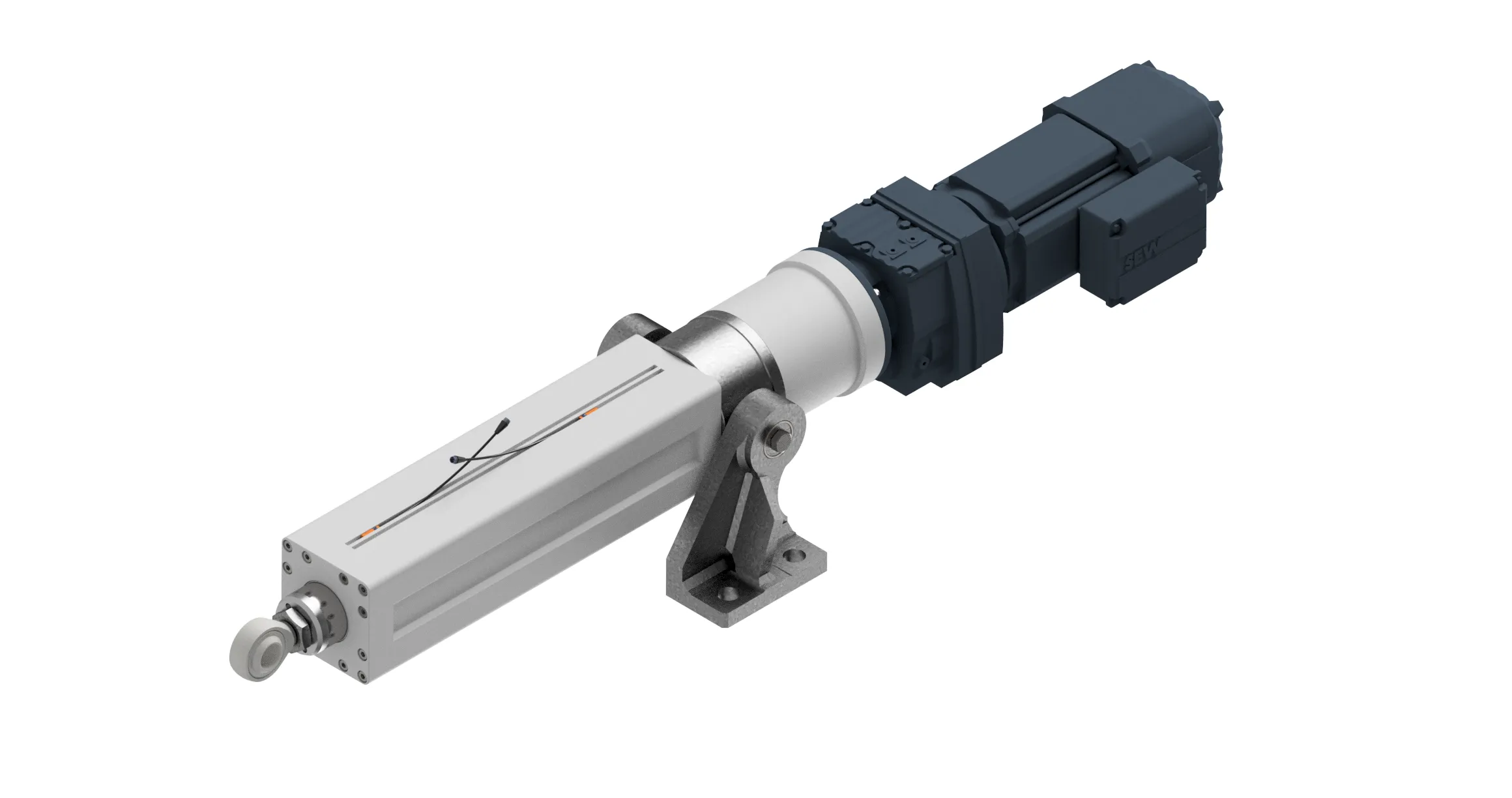
A series product view
A

A series

Axially guided thrust for high loads and clear installation conditions.

Axial motor arrangement for maximum force density

Force
up to 500 kN
Stroke
up to 3,000 mm
Speed
up to 1,000 mm/s
Protection
IP65+
Duty cycle
up to 100 % duty cycle

rough industrial environments, outdoor use, high forces, positioning and synchronous motion tasks
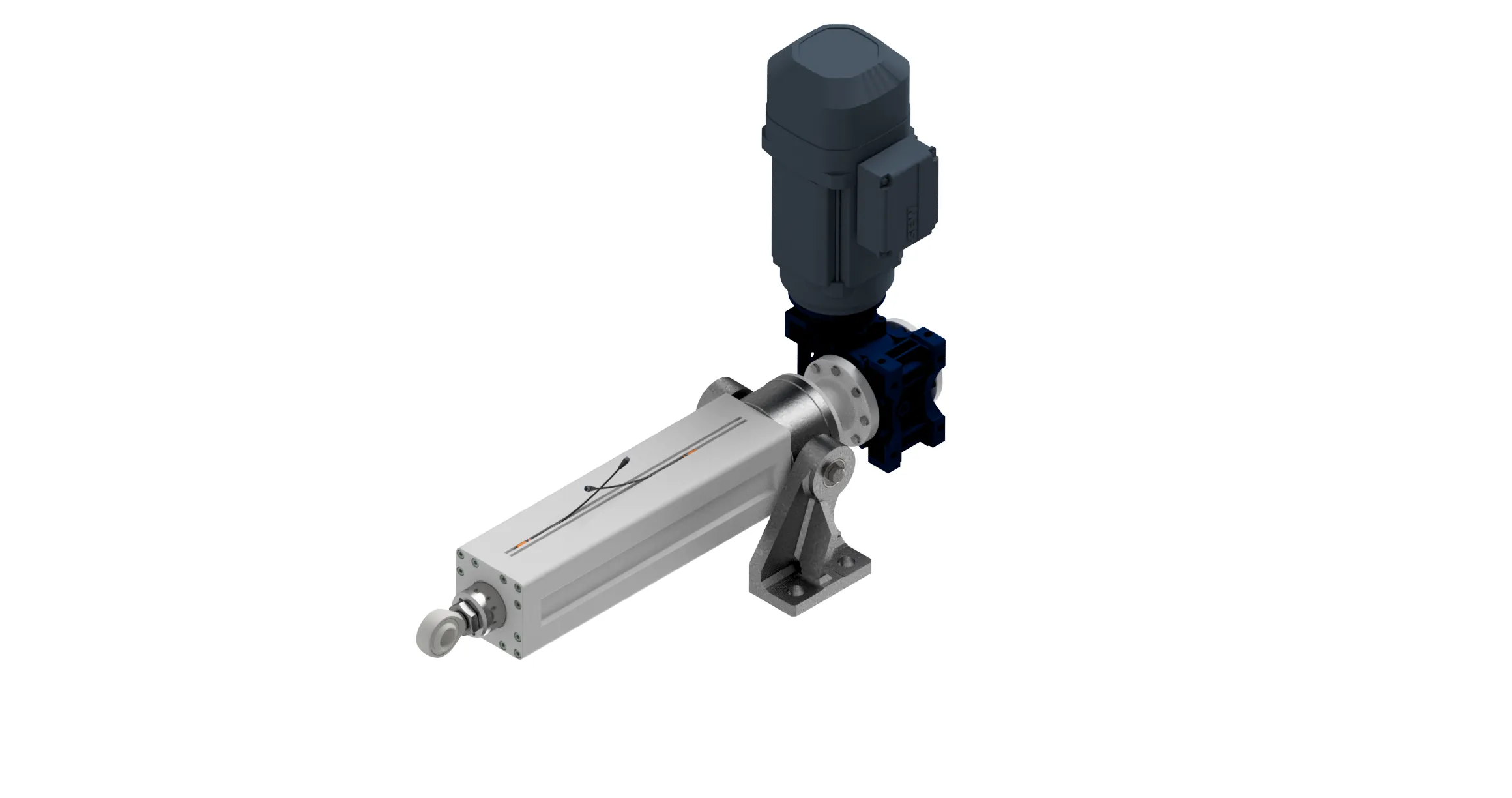
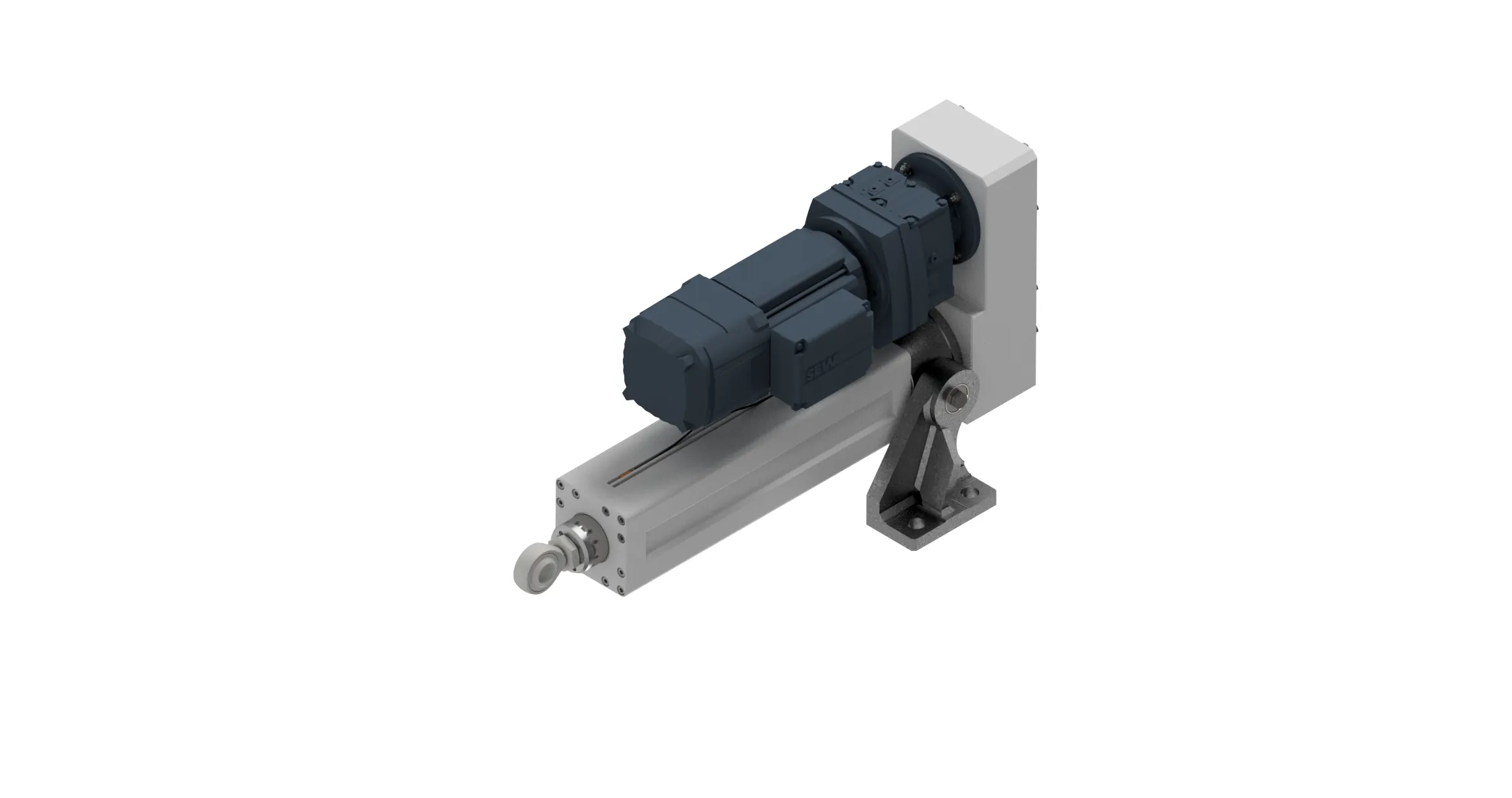
gear, servo or stepper motordirect couplingATEX optionalstainless steel optional
S series product view
S

S series

Compact thrust when machine space is limited.

Parallel or angular drive arrangement for short installed lengths

Force
up to 500 kN
Stroke
up to 3,000 mm
Speed
up to 1,000 mm/s
Protection
IP65+
Duty cycle
up to 100 % duty cycle

machine modules with limited axial space and demanding integration requirements

worm or spur gearboxcompact installation spacevariable mountingsensor options
X series product view
X

X series

Closed design for dynamics, dirt and hard-to-access equipment.

Timing belt or chain drive for demanding conditions

Force
up to 500 kN
Stroke
up to 3,000 mm
Speed
up to 1,000 mm/s
Protection
IP65+
Duty cycle
up to 100 % duty cycle

dirt, outdoor use, high dynamics and hard-to-access installation positions

closed designEX areas possibleoverload clutchencoder/potentiometer

Selection logic

Which product range fits which load case?

A qualified inquiry usually needs a few hard parameters: force, stroke, speed, duty cycle, installation position, environment, voltage, control and an existing drawing.

Load caseSeriesDesign principle
Plenty of axial spaceADirect motor arrangement, clear force line and high force density.
Short installed lengthSParallel or angular drive arrangement when machine space is limited.
Rough, dynamic, hard to accessXClosed design with belt or chain drive.

Unsure which design? → Decision aid: A, S or X

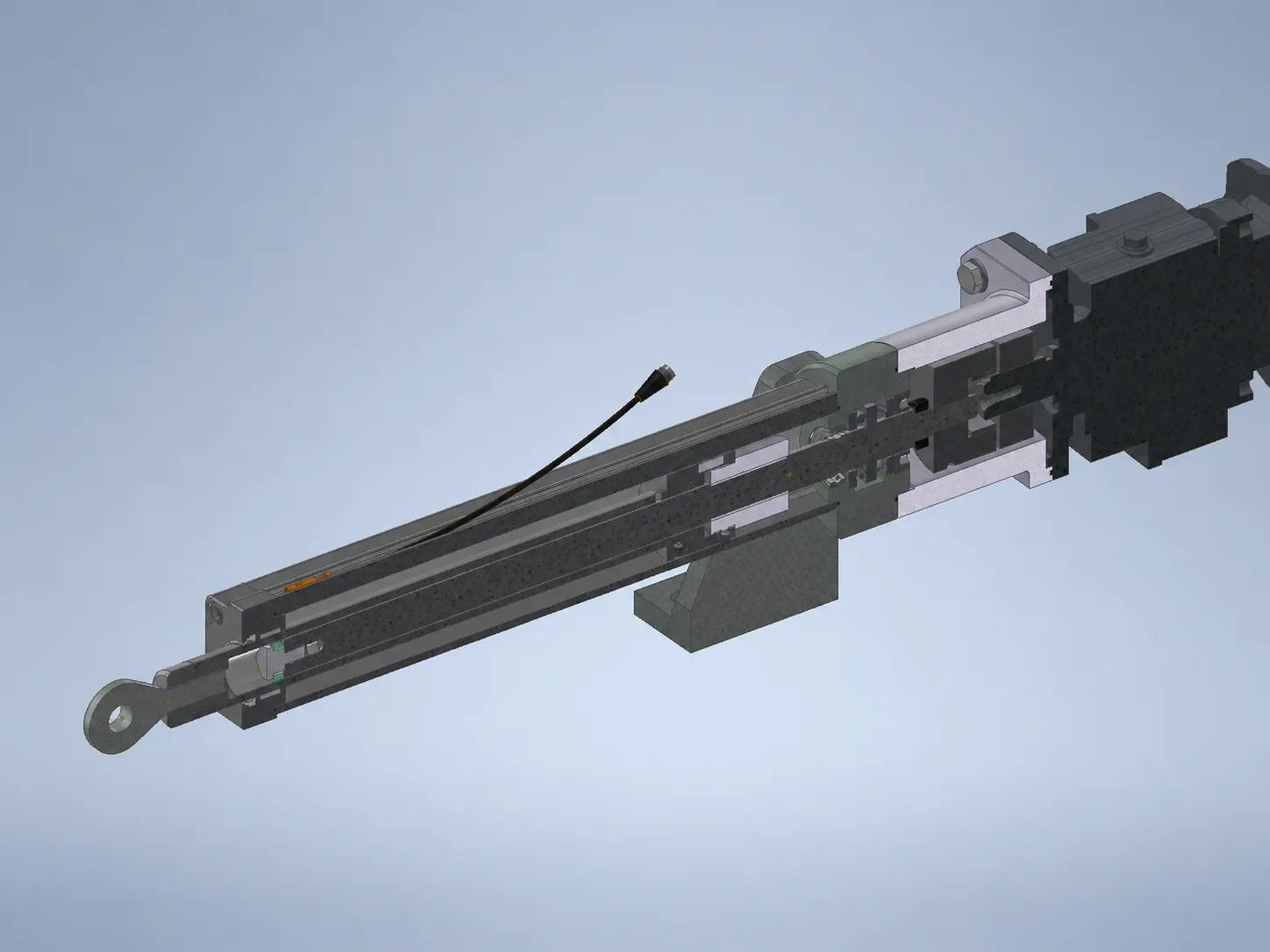
Cutaway view of an electric linear actuator

FAQ

Frequently asked questions about electric linear actuators.

What is the difference between an electric cylinder and an electric linear actuator?

Both terms describe the same electromechanical linear drive: a motor drives a lifting motion via a screw. "Electric cylinder" is the common short form; S+R technically speaks of electric linear actuators – the drive principle is the same.

What forces, strokes and speeds are possible?

The standard sizes cover up to around 80 kN; project-specific heavy-duty solutions reach up to around 500 kN. Strokes up to 3,000 mm and speeds up to 1,000 mm/s are possible – the actual values follow from the design for the specific load case.

Are the A, S and X series finished catalogue products?

No. A, S and X are proven design principles, not a rigid sales programme. Motor, screw, sensors, protection class, mounting and control are engineered per application – the result is a custom electric linear actuator.

Which control systems do the actuators work with?

S+R builds control-open: the mechanics run in the customer’s control system, and motor and control platform remain free to choose. The interface is clearly defined, so the actuators integrate into existing control environments.

What does S+R need for a first assessment?

A few hard parameters are usually enough: force, stroke, speed, duty cycle, installation position, environment, voltage and the existing control system. Missing details are no obstacle – S+R clarifies them in the engineering discussion.